
The Allure of Gambling
Gambling, often perceived as a recreational activity, possesses a captivating allure for many individuals, especially when considering options like a fast withdrawal online casino , that offer quick gratification. The excitement of placing a wager and the anticipation of a win can elicit profound emotional reactions. This thrill is deeply rooted in psychological mechanisms, particularly the release of dopamine, a neurotransmitter closely linked to pleasure and reward. Each time a person wins—even a modest sum—the brain’s reward system activates, reinforcing the desire to gamble again in pursuit of that euphoric sensation.
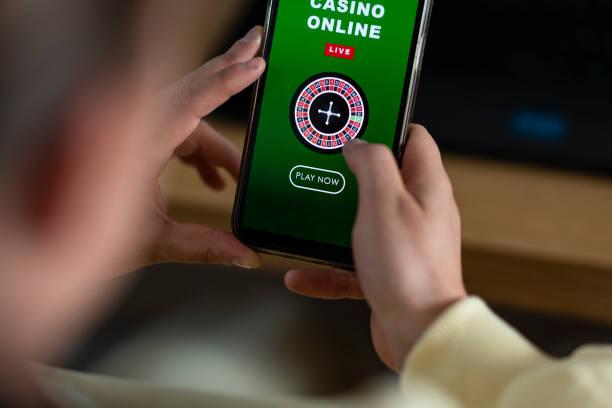
However, this excitement frequently overshadows the inherent risks, causing individuals to underestimate their chances of incurring losses. Cognitive distortions, such as the illusion of control, further complicate this dynamic. Gamblers may mistakenly believe they can influence the outcome of games, be it poker or sports betting, which perpetuates their gambling behavior. The chase for the high of winning can become addictive, as individuals continue to gamble in hopes of recovering losses, creating a cycle that is difficult to break.
Additionally, gambling addiction extends beyond financial consequences; it encompasses emotional and psychological dependencies. As individuals engage more deeply in gambling, their self-worth may become inextricably linked to their wins and losses, making it increasingly challenging to step away from the activity. This intricate interplay of emotional responses and cognitive biases lays the foundation for gambling addiction, often without the individual fully recognizing the extent of their compulsive behavior.
The Psychological Triggers of Gambling Addiction
Several psychological triggers can pave the way for gambling addiction. Key among these is stress and anxiety, which prompt individuals to seek refuge in gambling as a method of coping. The escapism that gambling provides can feel incredibly appealing, offering a temporary distraction from personal problems and emotional distress. However, this temporary relief can quickly morph into a reliance on gambling as the primary means of managing discomfort, leading to an unhealthy cycle of avoidance.
Moreover, individuals grappling with underlying mental health challenges, such as depression or bipolar disorder, are often at an elevated risk for developing gambling issues. The fleeting highs associated with gambling may serve as a perilous distraction from their emotional struggles. For many, the gambling experience becomes a means to fill a void left by dissatisfaction in other life areas. This behavior can exacerbate existing mental health conditions, creating a debilitating cycle that is difficult to escape.
Social influences significantly contribute to the triggers of gambling addiction as well. Peer pressure and environmental factors, such as the accessibility of gambling options, can encourage individuals to partake in risky behaviors. Those immersed in a gambling culture, whether through friends or community norms, may feel a compulsion to participate. The normalization of gambling within social circles can blur the line between casual participation and addiction, increasing the likelihood of problematic gambling behaviors.
Changes in Brain Chemistry
The neuroscience behind gambling addiction provides essential insights into why certain individuals develop compulsive gambling behaviors. Research has shown that gambling activates the same brain regions involved in substance abuse, suggesting a potential biological basis for addiction. The brain’s reward pathways become stimulated during high-stakes gambling scenarios, leading to the release of dopamine. This chemical response creates a powerful reinforcement loop, escalating addictive behaviors as individuals continually chase the thrill of a win.
Furthermore, frequent engagement in gambling can lead to tolerance, where individuals find they need to place larger bets or engage in riskier games to achieve similar emotional highs. Neuroplasticity in the brain allows it to adapt to repeated gambling experiences, effectively rewiring the reward pathways. Consequently, what once provided excitement may no longer suffice, pushing individuals toward increasingly larger wagers to feel that same thrill. This shift can spiral out of control, resulting in significant personal and financial repercussions.
Additionally, the compulsion to chase losses can exacerbate addictive behaviors. Individuals often cling to the belief that a significant win is just around the corner, driving them to continue gambling despite accruing losses. This distorted mindset can lead to dire financial situations, emotional distress, and strained personal relationships. Understanding these changes in brain chemistry is crucial in grasping the complexities of gambling addiction and highlights the importance of effective intervention strategies.
The Role of Treatment and Recovery
Addressing gambling addiction necessitates a holistic approach that includes psychological, social, and behavioral interventions. Treatment often commences with the recognition of the problem, a challenging step for many. Individuals may struggle to acknowledge that their gambling behavior has escalated into addiction, making it essential for family and friends to approach the conversation with care and compassion. Providing education about the psychological mechanisms involved can help individuals understand their addiction and lay the groundwork for recovery.
Cognitive-behavioral therapy (CBT) has emerged as a highly effective treatment modality for gambling addiction. CBT focuses on identifying and altering negative thought patterns and behaviors linked to gambling. Therapists collaborate with clients to cultivate healthier coping strategies and address underlying issues that may contribute to the addiction. Support groups, such as Gamblers Anonymous, also play a vital role by offering a sense of community and shared experience among individuals facing similar struggles.
Long-term recovery from gambling addiction requires ongoing support and proactive strategies to prevent relapse. Individuals may find mindfulness practices, stress management techniques, and the development of a robust support network beneficial. Recognizing personal triggers and establishing a proactive approach to manage them is fundamental to sustaining recovery. Ultimately, successful treatment of gambling addiction is multifaceted, empowering individuals to regain control of their lives and discover fulfillment beyond gambling.
Detailed Resources for Help
If you or someone you know is grappling with gambling addiction, numerous resources are available to provide assistance. Various organizations offer support, counseling, and educational materials specifically designed to help individuals comprehend and overcome gambling-related challenges. Professional therapy can be a transformative tool in developing healthier coping strategies and addressing underlying mental health issues. Seeking help often marks the first step toward recovery and can significantly enhance mental well-being and overall quality of life.
Online resources can offer invaluable information regarding gambling addiction, including assessment tools to evaluate the severity of the problem. Educational websites may feature webinars, articles, and forums for sharing experiences and advice. It’s essential to take advantage of these resources to establish a strong foundation for recovery. Recognizing that help is accessible can alleviate feelings of isolation and despair frequently associated with gambling addiction.
Ultimately, raising awareness about the psychological facets of gambling addiction benefits not only those affected but also nurtures a community rooted in understanding and compassion. Sharing personal stories and successes can motivate others to seek help and pursue healthier lifestyles. Support systems are crucial in the recovery journey, and adopting a proactive stance can lead to meaningful positive changes in individuals’ lives.
